
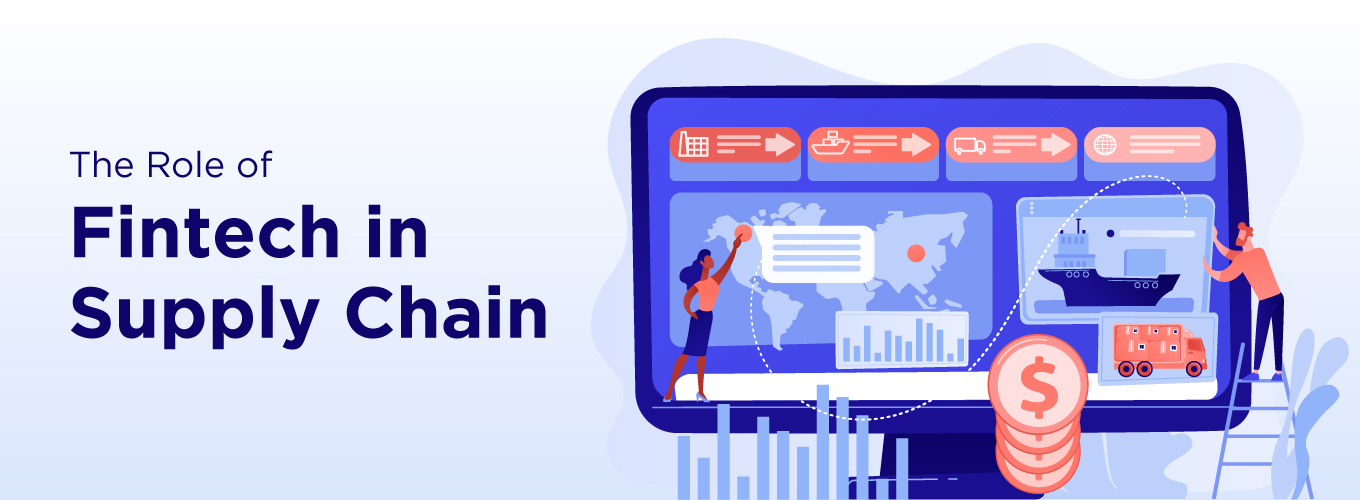
The supply chain industry plays an incredible role in the global economy. As the supply chain finance market is on track to reach $9.68 billion by 2028 with a 9.0% CAGR, investing in digital transformation services like Fintech can give your manufacturing and supply chain business a competitive edge. It transforms modern supply chains by optimizing financial processes, increasing transparency, and boosting efficiency. This leads to improved liquidity, stronger business relationships, and enhanced operational resilience.
The Rise of Fintech in Supply Chain Management
A supply chain typically involves a buyer and a seller, with fintech companies acting as valuable intermediaries between them. By integrating fintech solutions, businesses can reduce working capital requirements and lower the costs of processing and managing contracts for both buyers and sellers. As a result, supply chains become more efficient and streamlined.
The healthcare and equipment finance sectors have already integrated fintech solutions into their supply chains and are experiencing significant benefits. Additionally, small and medium enterprises (SMEs) have also started adopting fintech to enhance their supply chain operations.
Why is fintech relevant?
Fintech has been expanding rapidly worldwide, making a significant impact. Over the past three years, the sector has attracted $31 billion in investments. Fintech companies now serve nearly half of the financial needs in emerging markets, and 33% of consumers globally use at least two fintech services. By accelerating transactions and eliminating bottlenecks found in traditional systems, fintech has proven to be highly relevant in today’s financial landscape.
Fintech’s Impact on Supply Chain Payments and Credit
Fintech creates a win-win opportunity for both buyers and suppliers in supply chains. Acting as an intermediary, fintech ensures that suppliers receive payments upfront or within a set timeframe, eliminating the need for tedious follow-ups. Meanwhile, buyers benefit from pre-negotiated payment terms established through agreements with fintech providers.
By leveraging a strong network of banks and financial institutions, fintech companies secure funding options that were previously inaccessible to buyers and sellers. This diverse range of credit solutions makes financing more attractive and affordable.
As a result, fintech has streamlined supply chains by automating processes and enhancing efficiency. From procurement to delivery, every step is now simpler, faster, more secure, and highly convenient, making fintech a game-changer for businesses.

Unlocking Growth for SMEs with Fintech
SMEs have long struggled to secure leverage with financial institutions, making it difficult to manage working capital and access funding for growth. Affordable capital remained out of reach without a credit history or corporate backing.
The rise of fintech has transformed this landscape. Fintech providers now connect buyers with banks that previously wouldn’t extend credit while also ensuring timely payments to suppliers. This shift has revolutionized the business environment, creating smoother financial operations.
As a result, supply chains now function seamlessly, benefiting businesses and driving economic growth. An efficient supply chain is always a positive sign for both industries and the broader economy!
How Fintech is Solving Supply Chain Challenges
Here are five key ways fintech is revolutionizing global supply chains:
Digital Trade Finance
Traditional trade finance relies on extensive documentation and intermediaries, leading to inefficiencies and delays. Platforms like TradeWaltz use blockchain to simplify and secure trade transactions. They enable seamless document exchanges, automate approvals, and facilitate cross-border payments, reducing processing time and fraud risks. Additionally, blockchain ensures a tamper-proof transaction history, enhancing transparency.
Optimizing Logistics with Live Supply Chain Monitoring
Manual tracking systems and disconnected databases create inefficiencies in supply chains. Fintech solutions like Flexport and Project44 integrate IoT and cloud-based technology to offer real-time tracking of shipments. These platforms provide businesses with instant insights into inventory levels, potential disruptions, and optimized logistics planning.
Boost Cash Flow with Instant Working Capital
Financial constraints can disrupt a supplier’s ability to fulfill orders. Platforms like Taulia offer on-demand financing, giving suppliers immediate access to capital based on pending invoices. This approach allows businesses to procure materials and maintain steady operations without waiting for delayed payments from buyers.
Enhancing Supply Chain Liquidity with Embedded Finance
Companies are integrating financial services directly into procurement and payment workflows. Tradeshift enables businesses to provide suppliers with flexible payment solutions, ensuring faster transactions and better cash flow management. This automated financial integration enhances efficiency across supply chains.
Next-Gen Fraud Prevention with AI Technology
Supply chains are vulnerable to fraud, resulting in significant financial losses. Fintech companies now deploy AI and machine learning to detect fraudulent activities. These risk management tools analyze transaction data, flag suspicious patterns, and prevent financial threats, safeguarding businesses from potential fraud.
The Future of the Supply Chain with Fintech
Thus, supply chains focused on sourcing, production, and delivery. However, with the rise of fintech, businesses can now access readily available capital at competitive rates, transforming supply chain operations.
As technology advances and more industries integrate fintech solutions, the benefits extend beyond buyers and sellers. Businesses and customers alike experience significant advantages, making supply chains more efficient, resilient, and financially empowered.
Frequently Asked Questions
Traditional supply chain finance encounters several challenges, such as restricted access to real-time data, high operational costs, regulatory and compliance hurdles, difficulties in supplier and buyer adoption, and credit risk management.
