
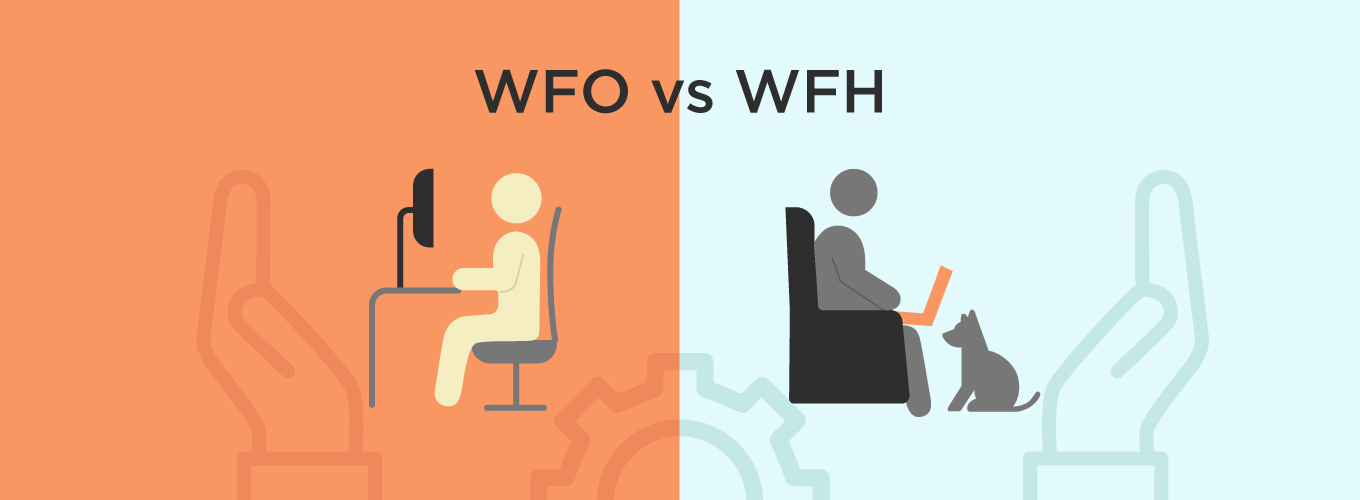
The shift to hybrid work models has been nothing short of a revolution. What once was a standard 9-to-5 in an office is now a mix of home offices, coffee shops, and maybe even a couch here and there. With this sudden change, the biases of the hybrid workplace have become a hot topic. The lines between work and home have blurred, but so have the lines of fairness and opportunity in how we work.
The reality is that remote workers and in-office workers are often treated differently, even if unintentionally. This bias can impact everything from promotions to daily interactions, creating a workplace dynamic that feels less equal and more divided. As companies navigate the new world of the hybrid workplace, addressing these biases is critical to ensuring that all employees, regardless of where they work, have the same opportunities to succeed and grow. Let’s dive into the challenges, the changes, and what companies can do to create a truly inclusive workplace for all.
How the Pandemic Reshaped Work Culture and Talent Attraction
The pandemic accelerated workplace transformations overnight! In the blink of an eye, work desks were replaced by beds at home; our colleagues were replaced by family members, and the home became our office. With the lines blurred between work and home, it became important to also bring work culture to home.

Research suggests that companies with healthy work-life balance cultures have 3x greater total returns to shareholders. It is also suggested that 70% of workplace transformations fail largely due to culture-related challenges. While some employees are eager to return to the office full-time, others aren’t so eager, owing to their cultural, financial, or socioeconomic constraints. Experts say that offering people more flexibility over their choice of place to work would help attract and retain talent.
American real estate platform Zillow has said that more women have applied for jobs with them since they announced permanent work from home last year. The SaaS company Slack, which had also announced permanent remote positions last year, announced that there was a 50% increase in minority hires for remote positions.
The Rise of Proximity Bias
A NASDAQ-listed Chinese travel agency, Ctrip, conducted a WFH experiment. Their employees were assigned at random to either work from their home or work from the office for 9 months. There was a 13% increase in performance when they were working from home. Work satisfaction increased, and attrition halved. Yet, their promotion rate, which was conditional on performance, decreased. Ctrip rolled out the WFH option for all their employees due to the success of their experiment. Over half of their employees switched, which led to a 22% increase in gains.
While the hybrid workplace reduces longstanding barriers, it has also amplified another form of discrimination. Bias against remote workers has become the new obstacle to creating a diverse & inclusive workplace. Companies like Ctrip, which are moving to a hybrid work model, are still grappling with how best to eliminate the discrimination between workers who work from their homes and the office.
Academics and experts call this the ‘proximity bias. It is an unconscious and unwise tendency to provide preferential treatment to those in our immediate and constant vicinity. Yet, the definition of proximity in the workplace is now evolving. What was before a location inside the office is now a decentralized virtual space that has no borders.
Accidental Favouritism
Like any other bias, the proximity bias is a natural instinct. It is part of our cognitive decision-making process. Experts say that we’ve used it for generations as a mental shortcut to prioritize our safety. Yet, the same prioritization may not always lead to accurate and right judgments. We often end up making decisions based on knowledge or data.
The pandemic did not invent proximity bias, but it has made us become more aware of its effects. Picture your closest friend at work. Did you immediately picture the one sitting the closest to you? We can all relate to occasions where the people we sit close to are the people we know the best and feel the most kinship to. This bias can induce a halo effect in the workplace, wherein we cultivate an inflated view of the professionals in our vicinity and overlook those who are further away. This halo effect can also blur the poor performance of those in the vicinity of the managers.
Proximity and Productivity
Proximity bias in the long term can successfully break down trust and have a negative impact on productivity. When employees feel second-class and believe their career opportunities are limited, their interest in the company will decrease.
It will lead to the company losing talented employees. Leaders and management must establish processes to ensure they stay connected with every person on their team.
Reflecting on everyday conversations with the team and analyzing how projects are assigned will be helpful. Leaders can treat everyone in the team equally, whether they are working from home or the office.
Bridging the Gap
Co-creation is key to evolving your culture and addressing past mistakes. Every group in your hybrid workforce should have a voice and a clear role in shaping the culture for inclusion and diversity. As the Roman poet Seneca said, “If you don’t know which port you’re sailing towards, no wind will be the right wind.” Talent steers the ship, but if everyone doesn’t align their compass, the ship won’t reach its destination.
In a hybrid workforce model, both sides should have a voice in reshaping the company culture. Each side should also have a clear role in supporting DEI initiatives.
Navigating the Hybrid Future
The hybrid workplace is here to stay, offering great opportunities for flexibility, inclusion, and talent retention. However, a hybrid workplace also brings new challenges and biases. By tackling biases in the hybrid workplace, promoting inclusive communication, and empowering all employees, companies can build a workplace where everyone feels valued.
Ultimately, it’s not just about where you work. Its actually about creating a culture that supports people in all their diverse needs. When done right, the hybrid workplace can be a game-changer for both employees and companies alike.
